Who We Are
The United Biogas Alliance is a coalition of leading biogas associations working together to grow biogas markets and the multiple benefits biogas systems provide.
Together, we represent thousands of operating biogas facilities around the globe, and the ecosystem of companies that support biogas systems to recycle organic residues into clean, locally made energy and fertilizer. As a result, this network of organizations and its members have decades of experience reducing greenhouse gas emissions, and producing renewable energy, organic fertilizers, and biogenic CO2.
Individually, we might be able to move fast, but together, we can go far.
The Global Opportunity for Biogas
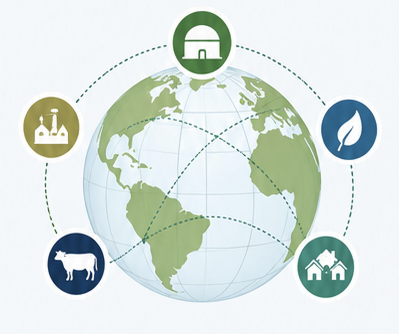
Biogas systems convert organic residues into renewable gas, low-carbon fuel, dispatchable electricity, organic fertilizer, and biogenic carbon.
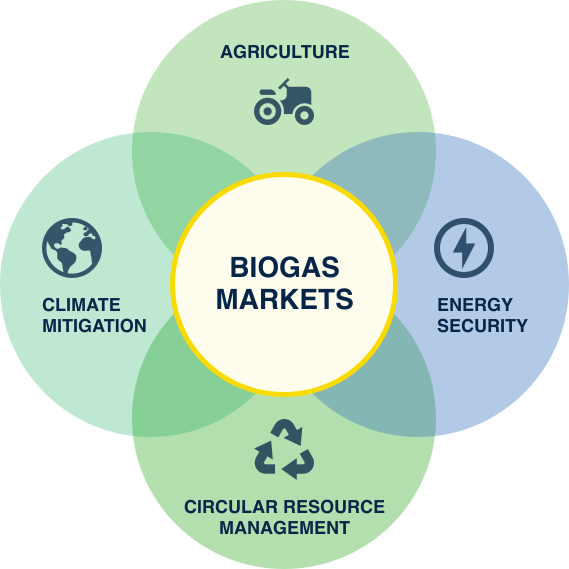
Biogas markets sit at the intersection of agriculture, energy security, climate mitigation, and circular resource management.
The International Energy Agency estimates global biogas and biomethane potential at more than 1,400 billion cubic meters annually by 2050 — equivalent to roughly 14,000 TWh of energy. Depending on policy pathways, this could represent a significant share of future gas demand under current policies, and a major portion of remaining gas demand in net-zero scenarios.
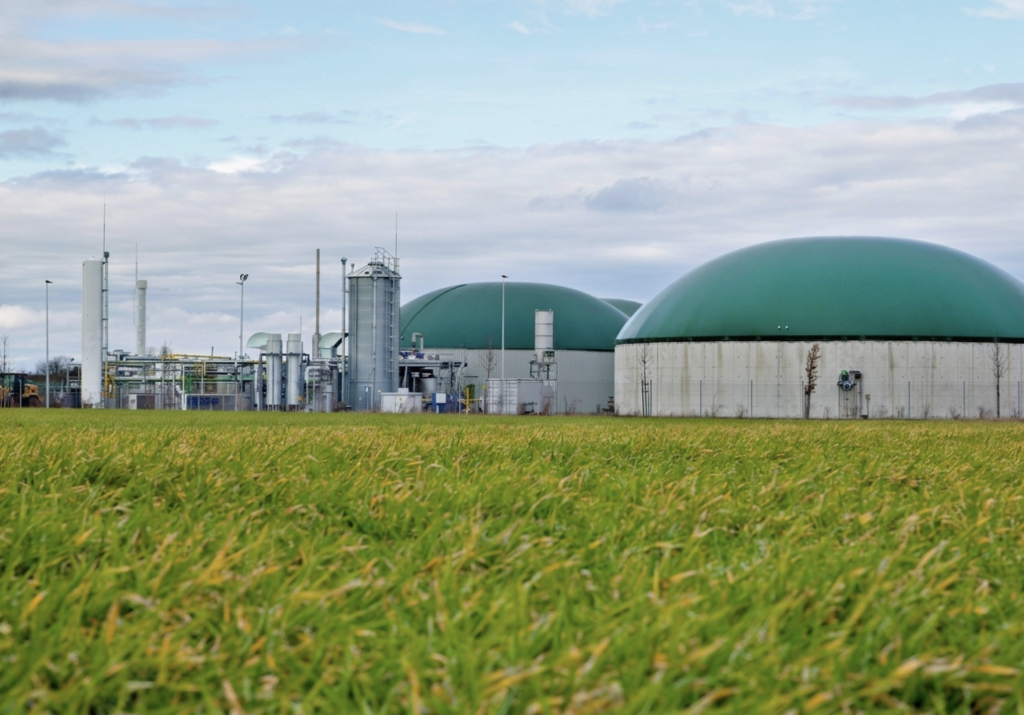
Yet today, only a fraction of that potential is developed. In many advanced economies, less than one-fifth of available feedstock potential is currently utilized.
Biogas is not niche energy. It is distributed infrastructure waiting for alignment.
What we can achieve
- 1,400 bcm – Estimated global annual biogas potential by 2050
- 14,000 TWh – Equivalent annual energy potential
- ~3% – Reduction of global emissions from international shipping
- 80x – Methane capture is 80x more valuable to reduce global warming than CO₂ capture over 20 years
- Thousands – Operating biogas facilities across member regions
Why Coordination Is Necessary
Biogas systems are inherently decentralized. The residues they process and energy and fertilizer they produce are distributed across farms, food processing sites, wastewater facilities, and within communities. Their strength is local integration with many benefits. Their challenge is fragmentation.
National coordination helps biogas system owners optimize supply chains and local policy to maximize organic residue recycling.
International coordination between national biogas associations elevates biogas markets, aligns carbon accounting principles, strengthens international recognition, and helps fuel marketers access buyers and sellers beyond borders, helping capital flow more predictably into these long-term infrastructure nodes.
The UBA exists to provide this alignment.